Gastric Bypass Surgery UK

Gastric Bypass Surgery UK

Cut back on your hunger to make weight loss easier.

The adjustable gastric band, also known as lap banding, is a restrictive weight-loss method. The intended, gradual weight loss with the gastric band is approximately one to two pounds per week. Patients usually lose 20 per cent or more of their body weight in 12 to 18 months.

Advantages of gastric Bypass surgery

The Advantages of Gastric Bypass Procedure Many people who previously battled with weight loss can regain control and lead happier, healthier lives after undergoing gastric bypass surgery.

In addition to reducing feelings of hunger, the bypass also influences the body’s release of beneficial hormones, contributing to steady weight loss over several months (losing 30–35% of body weight on average in 9–12 months).

Address weight-related concerns

A more health-conscious way of living

lower chance of cardiac problems

lower chance of developing cancer

Enhanced movement

reduction of cholesterol

Enhanced general well-being

Enhanced self-assurance

Quick weight loss in the first year

a well-established weight loss protocol

Reversible if required

Do I Need to Have a Gastric Bypass Surgery?

The surgeon will use staples to create a small pouch, the size of a thumb, in your stomach. The small intestine is then shortened by bypassing a portion of it.

It is reattached to the pouch to allow food to travel through a portion of your digestive tract, making absorption more difficult for your body. Gastric bypass surgery aims to reduce portion sizes by helping patients feel fuller sooner.

Food is sent into the lower intestines, bypassing the upper small intestine and upper stomach.

The weight loss achieved lasts 12 to 18 months. Following gastric bypass surgery, patients often anticipate losing between 75 and 80 per cent of their excess weight—a figure used to indicate weight beyond a BMI of 25.

That usually equates to 30–35% of total body weight over 9–12 months.

After gastric bypass surgery, patients can typically get up and move around three hours later and start drinking liquids immediately. On average, a one- to two-night hospital stay follows surgery.

Following surgery, patients can typically resume work in seven to ten days and resume full exercise in ten to fourteen days. Because they will eat little meals, patients must take vitamins and minerals to prevent deficits.

Getting ready for the gastric bypass Before and after surgery, the Tonic team will contact you with advice on necessary preparations and aftercare. Before surgery, patients are often required to follow a diet that reduces their calorie intake by 800 calories per day for approximately two weeks. Patients will be instructed to follow a particular diet following surgery to facilitate their recovery. This regimen involves a two-week liquid diet, followed by a one- to two-week puréed diet, and then a one- to two-week diet of soft, easily digestible meals.

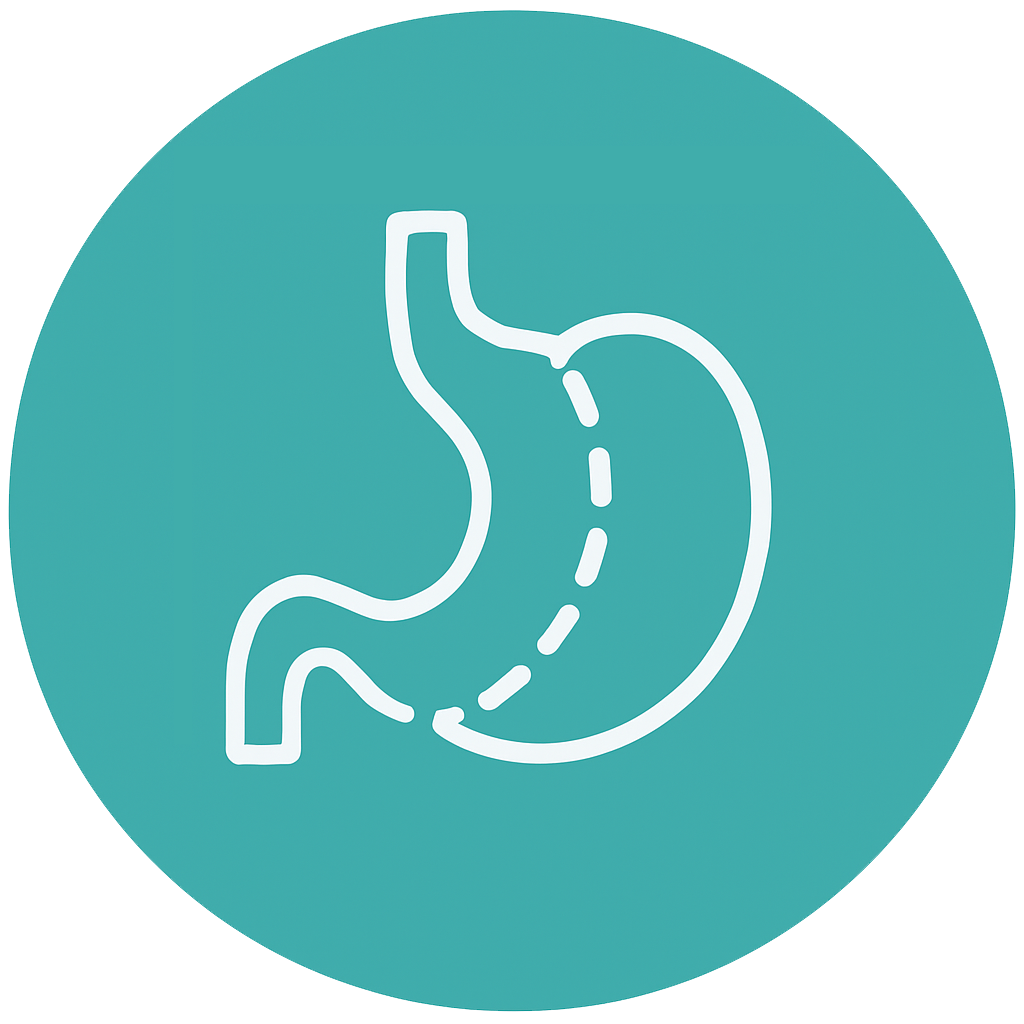
The surgeon will use staples to create a small pouch, the size of a thumb, in your stomach. The small intestine is then shortened by bypassing a portion of it. It is reattached to the pouch to allow food to travel through a portion of your digestive tract, making absorption more difficult for your body. Gastric bypass surgery aims to reduce portion sizes by helping patients feel fuller sooner. Food is sent into the lower intestines, bypassing the upper small intestine and upper stomach.

The weight loss achieved lasts 12 to 18 months. Following gastric bypass surgery, patients often anticipate losing between 75 and 80 per cent of their excess weight—a figure used to indicate weight beyond a BMI of 25. That usually equates to 30–35% of total body weight over 9–12 months.

After gastric bypass surgery, patients can typically get up and move around three hours later and start drinking liquids immediately. On average, a one- to two-night hospital stay follows surgery. Following surgery, patients can typically resume work in seven to ten days and resume full exercise in ten to fourteen days. Because they will eat little meals, patients must take vitamins and minerals to prevent deficits.

Getting ready for the gastric bypass Before and after surgery, the Tonic team will contact you with advice on necessary preparations and aftercare. Before surgery, patients are often required to follow a diet that reduces their calorie intake by 800 calories per day for approximately two weeks. Patients will be instructed to follow a particular diet following surgery to facilitate their recovery. This regimen involves a two-week liquid diet, followed by a one- to two-week puréed diet, and then a one- to two-week diet of soft, easily digestible meals.

Scroll to Top