Gastric Sleeve Surgery
The most widely used weight-loss method worldwide.
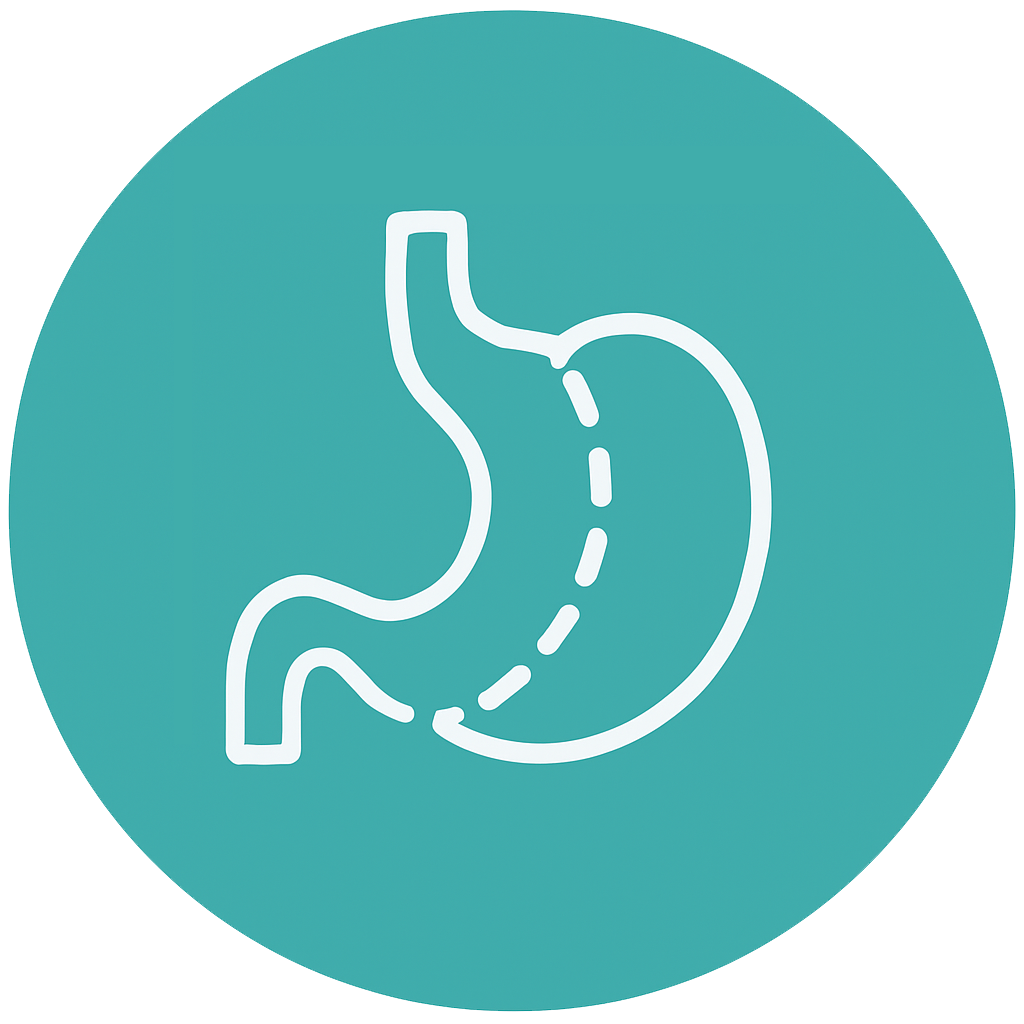
During gastric sleeve surgery, also known as sleeve gastrectomy, approximately 75% of the stomach is surgically removed, leaving a narrow tube or sleeve in its place. The tube or sleeve lowers your appetite and limits the quantity of food you can eat.
Advantages of gastric sleeve surgery
Advantages of Sleeve Gastrectomy Many people who have previously struggled with weight reduction can regain control and lead happier, healthier lives after undergoing gastric sleeve surgery.
An additional advantage of gastric sleeve surgery is the removal of the upper portion of the stomach, which is responsible for producing the hunger hormone ghrelin. You’ll feel replete sooner and be less hungry if this portion of your stomach is absent.

Prolonged reduction of body weight

A more health-conscious way of living

Enhanced BMI

Enhanced self-assurance

Enhanced movement

Reduced malnutrition
Five Steps to Transform Your Life
Do I Need a Gastric Sleeve?
During gastric sleeve surgery, approximately 75% of the stomach is removed to create a narrow tube or sleeve.
The sleeve also affects the release of hormones that promote weight loss and, in certain situations, aids in the treatment of obesity-related illnesses, including diabetes and hypertension.
The entire process takes 45 to 60 minutes.
75–75% of the extra weight dropped Patients with gastric sleeve surgery should anticipate losing roughly 70–75% of their extra weight (defined as weight over a BMI of 25) within a year.
That’s usually 25–30% of total body weight during nine to twelve months.
After surgery, patients should be up and walking within three hours, able to drink the same day, and able to resume work and other regular activities within seven days.
After surgery, Patients are given a special liquid or puréed diet to facilitate their recovery. The first follow-up visit following the sleeve is typically six to eight weeks after the procedure.
The surgeon will provide status updates and ensure no new issues throughout this session.
Setting up a stomach sleeve: Patients will meet with their surgeon to discuss preparations for the sleeve gastrectomy. They will also be evaluated by the bariatric nurse specialists, dietician, and psychologist from the Tonic team. Before surgery, patients must follow a diet that reduces their daily calorie intake by 800 calories for approximately two weeks.
During gastric sleeve surgery, approximately 75% of the stomach is removed to create a narrow tube or sleeve. The sleeve also affects the release of hormones that promote weight loss and, in certain situations, aids in the treatment of obesity-related illnesses, including diabetes and hypertension. The entire process takes 45 to 60 minutes.
75–75% of the extra weight dropped Patients with gastric sleeve surgery should anticipate losing roughly 70–75% of their extra weight (defined as weight over a BMI of 25) within a year. That’s usually 25–30% of total body weight during nine to twelve months.
Patients should be up and walking within three hours after surgery, be able to drink the same day and resume work and other regular activities in seven days. Patients will be instructed to follow a special liquid or puréed diet following surgery to facilitate their recovery. Six to eight weeks following the procedure is the typical time for the first follow-up visit following the sleeve. The surgeon will provide status updates and ensure no new issues throughout this session.
Preparing for a gastric sleeve. To prepare for the sleeve gastrectomy, patients will consult with their surgeon and undergo an assessment by the Tonic team, which includes dietitians, psychotherapists, and bariatric nurse specialists. Patients are required to go on a liver-shrinking diet (800 calories a day) for around two weeks before surgery.